Featured

Protecting Your Legal Rights From Collectors in 2026
Table of Contents
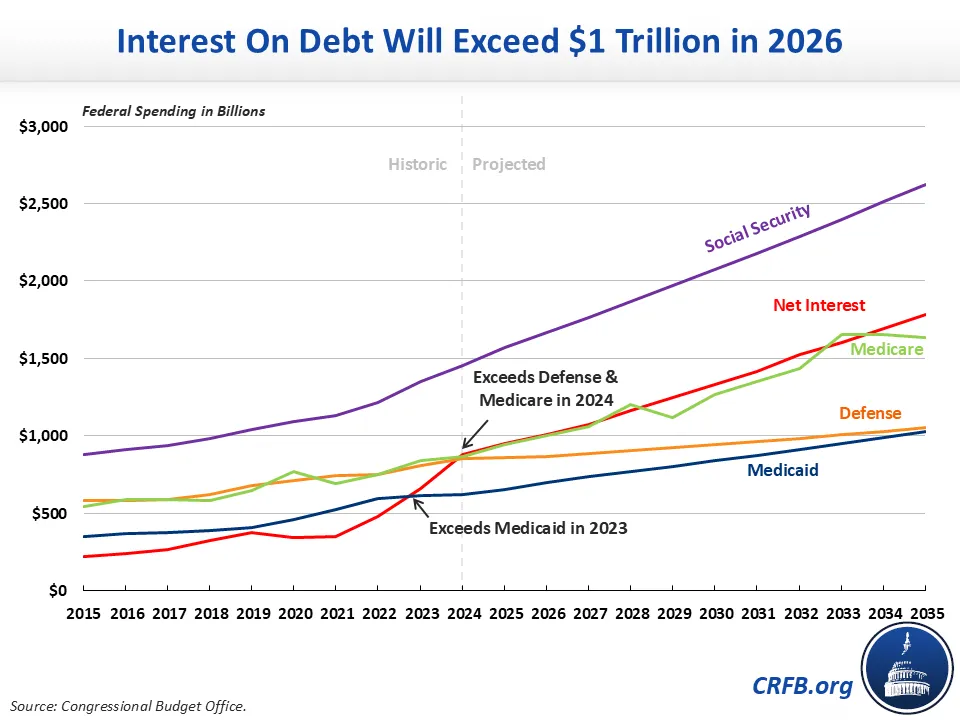
Home debt in America is over 18 trillion dollars, according to the Federal Reserve Bank of St Louis. With so much debt, it's not surprising that numerous Americans desire to be debt-free.
Debt is always a financial burden. However it has actually ended up being harder for lots of people to handle in recent years, thanks to increasing rates of interest. Rates have risen in the post-COVID period in reaction to troubling financial conditions, including a rise in inflation brought on by supply chain disturbances and COVID-19 stimulus costs.
While that benchmark rate doesn't straight control rates of interest on debt, it impacts them by raising or reducing the expense at which banks borrow from each other. Included costs are normally handed down to consumers in the type of greater interest rates on financial obligation. According to the Federal Reserve Board, for example, the typical interest rate on credit cards is 21.16% as of May 2025.
Card interest rates might likewise increase or remain high into 2026 even if the Federal Reserve alters the benchmark rate, due to the fact that of growing financial institution issues about increasing defaults. When creditors are scared clients won't pay, they frequently raise rates. Experian also reports typical rate of interest on vehicle loans struck 11.7% for used lorries and 6.73% for new cars in March 2025.
Finding Professional Insolvency Guidance for 2026
Individual loan rates are likewise higher. With lots of kinds of financial obligation ending up being more costly, lots of people want to handle their debt for goodespecially given the ongoing financial uncertainty around tariffs, and with an economic crisis danger looming that could affect work prospects. If you are afraid of rates increasing or the economy faltering, positioning yourself to end up being debt-free ASAP is among the smartest things you can do.
Even if you aren't worried about increasing rates, the longer you carry debt, the costlier it is, the more discouraging it can be, and the harder it is to accomplish other objectives. Starting a new year owing cash can take a psychological toll.
Start by collecting a couple of key documents and pieces of information. That can assist you understand what you owe and how much you can genuinely manage to pay towards ending up being debt-free. Here are the key steps: Make a total list of your arrearages, the interest rates, and the balances due.
Stop Paying Expired Debts Throughout the Regional AreaSuccessful Strategies to Settle Debt in 2026
is an excellent resource for getting your credit declare free, and seeing arrearage at a glance. Track your spending. Take a look at your bank and credit card declarations to track your spending. Using a budgeting app may be practical here to see precisely how much of your money is going to basics like groceries and expenses, and just how much is going to non-essentials like eating out or film tickets.
Research changes to legal guidelines: For example, in 2025 through 2028, cars and truck loan interest will be tax-deductible for qualified people as a result of arrangements in the One Big Beautiful Costs Act. Using the info you collect, figure out the following: Overall outstanding debtBalance of each financial obligation, and the interest rate you are being chargedWhether interest for each is tax-deductible (remembering that the guidelines can alter gradually, so inspecting once again in future is smart)Due date for month-to-month paymentsFunds you could use towards debt payoff Getting arranged gives you a clear image of where you stand, what timespan for debt benefit is sensible, and what debt relief choices are worth pursuing.
The 2 main techniques are the financial obligation snowball and the financial obligation avalanche. Here's how each one works. The debt snowball method Involves lining up your financial obligations from tiniest to largest, and dealing with the smallest debt. You move onto the next-smallest. You continue in this manner with all your financial obligations until you have actually paid whatever off.
For example, state you have $200 of discretionary earnings in a month, and $10,000 of credit card financial obligation across 5 credit cards. Pay the minimum payments on all five charge card, however allocate as much of that $200 as you can to settling the charge card financial obligation with the smallest balance.
Comparing Debt Management Versus Bankruptcy for 2026
A huge advantage of the debt snowball method is that you pay off your very first financial obligation quickly, which could assist inspire you to remain on track. Andr Small, a qualified monetary organizer based in Houston, Texas and founder of A Little Investment, says a number of his low-income clients prefer the snowball technique, while people with more discretionary earnings might be inclined to use the debt avalanche.
Similar to the snowball, make at least the minimum payment for all of your cards, with additional money going to the card with the highest APR (yearly percentage rate). That very first debt you pay off may not have the tiniest balanceit could even have the highestbut this approach saves you money in interest over time vs.
Selecting Reliable Debt Settlement Programs in 2026
That's because you pay off the costliest debt. You may not score quick wins with this approach, so it may not be the finest one if you believe you'll struggle to stay inspired. Often, merely making extra payments is insufficient to help you end up being debt-free in an affordable quantity of time.
MethodCostTime to FinishCredit ImpactHow it WorksBest ForDebt management planTypically under $50/month3 -5 yearsYesA nonprofit credit counseling firm negotiates a repayment prepare for all of your unsecured debtFull financial obligation repayment with professional cash management guidanceDebt ConsolidationVariesVariesYesYou take a new loan to repay multiple existing debts. Reducing your rate (if you certify for cheaper funding)Balance Transfer3-5%VariesYesYou transfer existing credit card financial obligation onto a new card with 0% balance transfer offer.
The majority of unsecured debts are eligible to be forgiven Chapter 13 involves a three- to five-year payment strategy. Borrowers who require legal defense from creditorsEach alternative has benefits and drawbacks. Here's a little more information about how each works: Financial obligation debt consolidation: If you certify for a debt consolidation loan, this can be a great option.
Avoiding Long-Term Struggle With Relief in 2026
This simplifies things, because you have just a single payment. Depending upon whether you make your loan term longer or shorter, it could likewise reduce overall loaning expenses, as long as you aren't paying for much longer than you were on the loans you consolidated. Financial obligation settlement: You or a debt relief business negotiate with creditors and get them to accept a swelling amount payment or payment strategy for less than the full amount you owe.
Credit counseling: You deal with a licensed therapist to review your financial resources and identify how much you can pay toward debt. Credit therapists offer financial counseling when you register in a financial obligation management plan. That's a structured payment program in which you make one monthly lump amount payment, which money is dispersed to lenders by the debt management company based upon terms they've negotiated.

Latest Posts
Steps to File for Bankruptcy Legally in 2026

How Local Debt Groups Offer Relief
Effective Strategies to Reduce Unpaid Debt